The Ribnitzer was a wonder worker known to possess ruach hakodesh. His incredible yeshuos continue to this day, as the multitudes who seek his help are drawn to his tziyon today – on his yahrtzeit – as well as around the year.
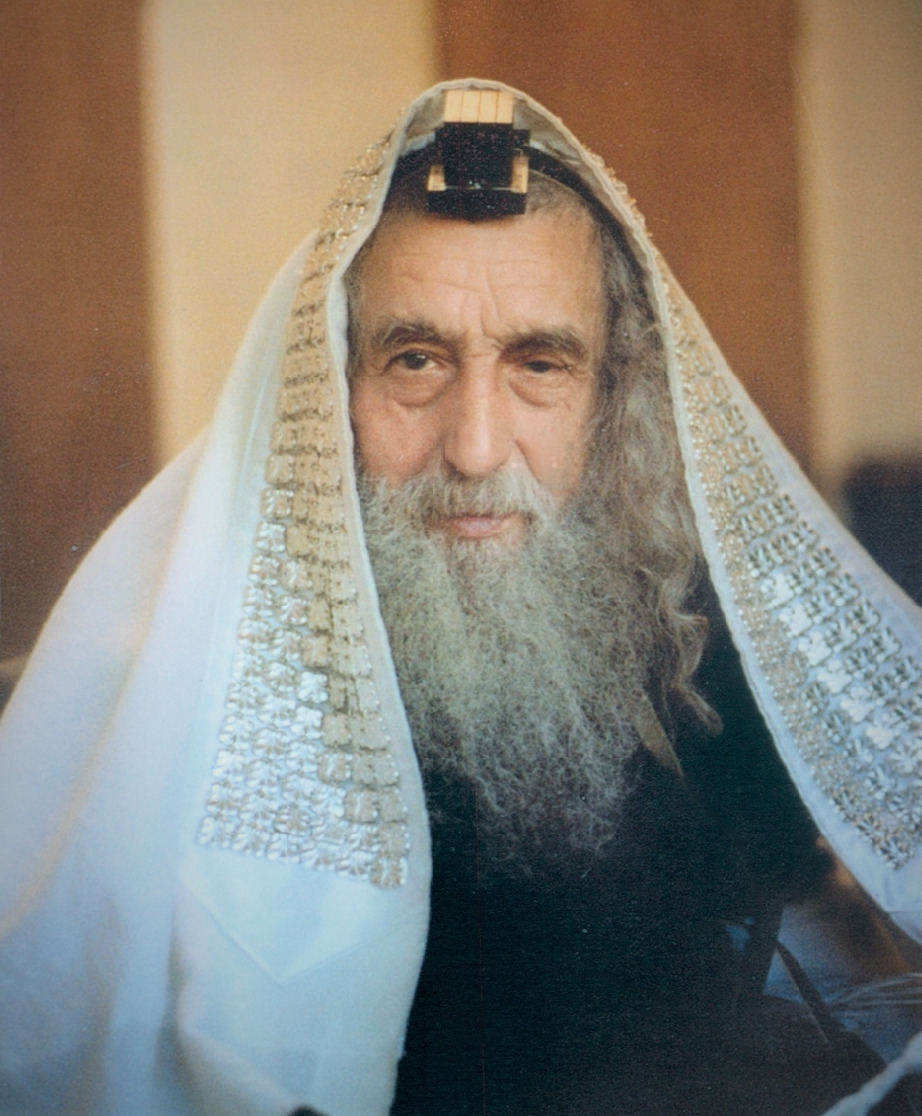
Today, on the yahrtzeit of the holy Skulener Rebbe – with Elul’s arrival just a day a way – it behooves us to take heed of Dovid Hamelech’s words. To recommit ourselves to Hashem and His Torah; to pay no attention to those who may ridicule or question our observance and adherence to His laws. B’zchus hatzaddik R’ Eliezer Zusia ben R’ Yisroel Avraham Zecher tzaddik l’vracha.
My friends, there was once a time when we were all kings – when we were a nation of holy princes and priests. Yes; we have all tasted the sweetness of royalty and redemption, of purity and prosperity, but… we have fallen. We have been exiled. All the wealth that we once had has since been replaced by cheap substitutes and temporary pleasures… Today we ask ourselves, what can we do to restore what we’ve lost?
When we listen and sing along to the entrancing melody let us take to heart the words of the Rambam’s twelfth principle of emunah: that while we don’t know when he will be here, we can believe with a perfect faith that he is most assuredly one day closer… Now let’s do what we can to be ready… today.
This Aramaic introduction to kriyas haTorah – sung in an ancient, emotional tune – has uplifted Jews through hundreds of years of persecution and exile, reminding us of our glorious status as the Am HaNivchar, and of the eternal nature of the Torah and the Jewish people.
The truth is, this poignant poem is more than words, more than prayer, more than music – but rather a delicate, enduring fabric woven from them all.
There is a particular piece of music that has become synonymous with the Holocaust. I would even suggest that if there was one tune that could capture and encapsulate the entirety of our extensive Exile – from beginning to end – this would be the one.
Baruch HaMakom – It is here that we refer to Hashem by His attribute of omnipresence. Before we allow ourselves to become absorbed in the mitzvah of Sipur Yetzias Mitzrayim, we must first understand with absolute clarity that Hashem is present in each and every facet of our lives, even when He isn’t explicitly felt or seen.
The Sixties also represented a pivotal period in the history of the Jewish Diaspora as well. There was a real need to cultivate a proud Jewish identity for the new generation of post-war youth, including a contemporary but uncompromising musical expression of its own. It wasn’t long before the void was filled by a fresh, current, and sincere young group that single handedly created an exciting new idiom in the Jewish music world – “Chassidic Folk.”
Masterfully written by Jewish music’s most prolific poet, the compositions and messages found within The Marvelous Midos Machine albums have ultimately proven to be as timeless and universal as Rotenberg’s countless other musical masterpieces.
The shminis that is to be played l’asid lavo will come into existence when we once again achieve the great level of achdus that we are truly capable of; a level that we so excellently exhibited when we initially accepted the Torah. When that day comes, the 8th note will be heard; The perfect unity of music, symbolized by the perfect unity of mankind.